
How a Concrete Pumping Business Ensures Precision
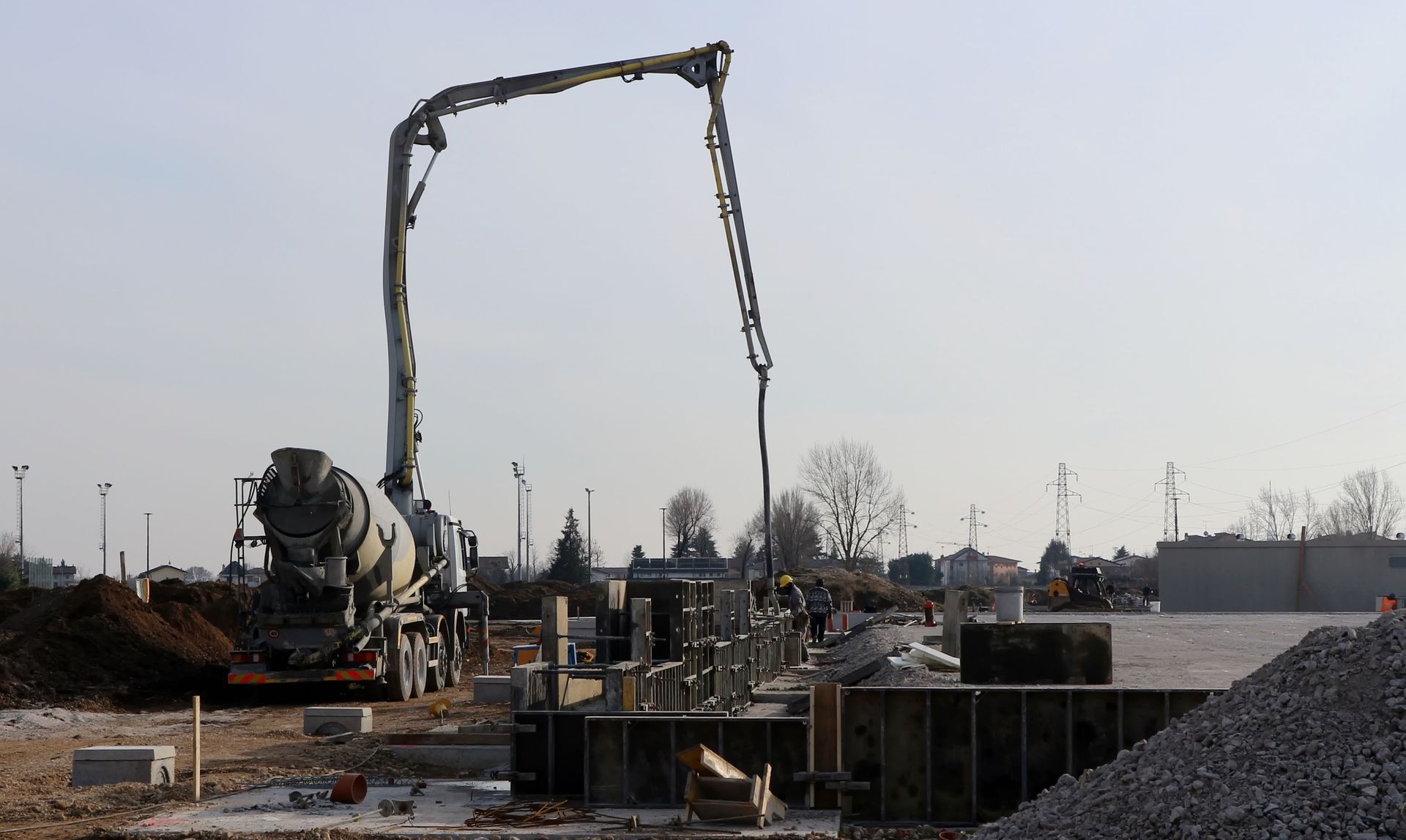
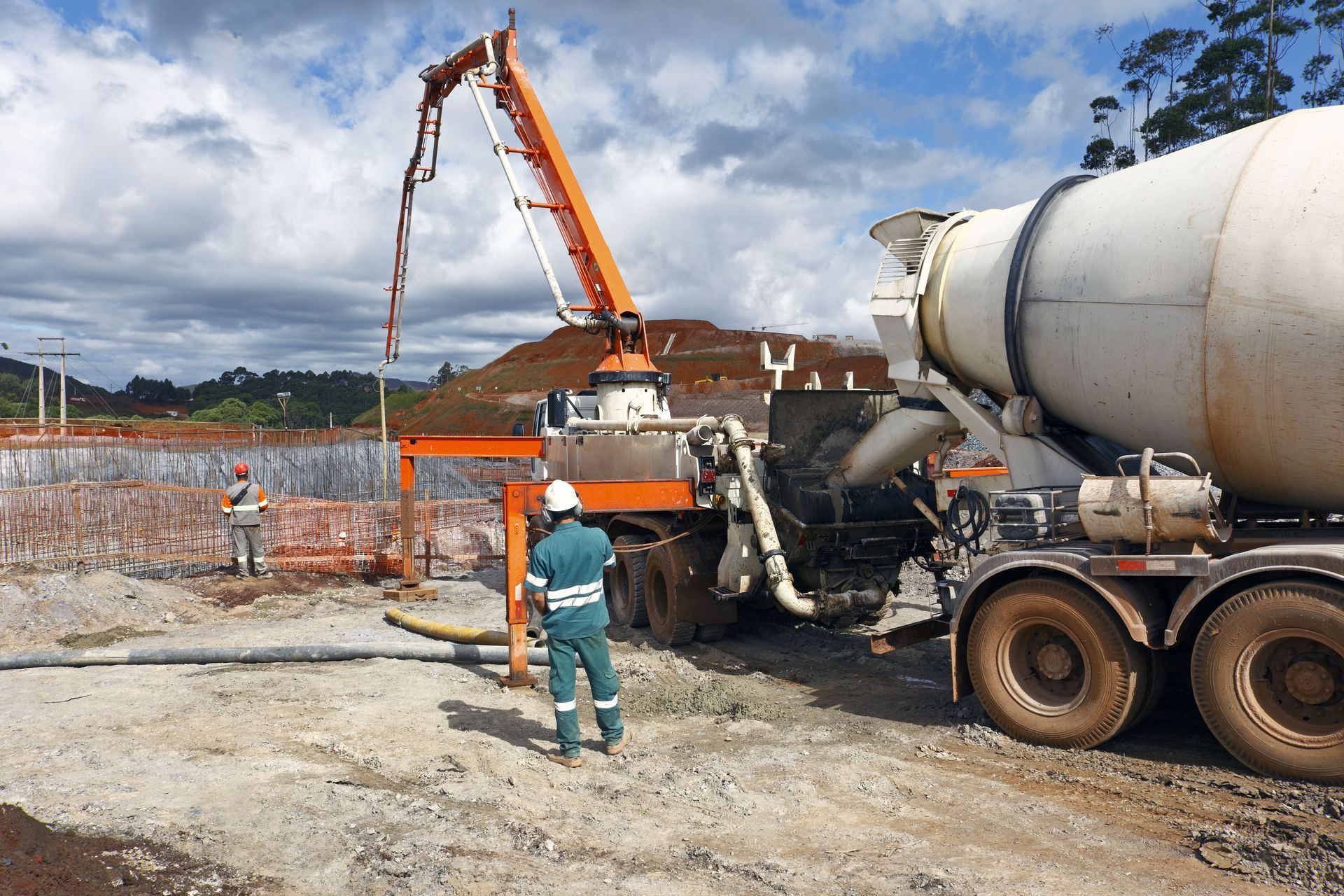
Concrete pumping businesses play a crucial role in the construction industry by providing precise concrete placement services. These companies rely on specialized equipment and skilled operators to deliver concrete efficiently to difficult-to-access locations, significantly improving the speed and quality of construction projects. With nearly 100,000 concrete contractor businesses operating in the United States, according to IBISWorld, these companies must employ various techniques and technologies to remain competitive and meet industry standards. This article explores the methods and technologies employed by concrete pumping businesses to ensure precision and efficiency. From understanding the techniques to embracing technology and workforce development, we delve into various facets that contribute to the accuracy and reliability of concrete pumping services.
The Role of Technology in Enhancing Precision
Use of Software in Project Planning
The integration of advanced software solutions has revolutionized project planning in concrete pumping businesses, significantly enhancing precision and efficiency. Project managers now use specialized software to model construction scenarios, optimize logistics, and forecast material requirements based on precise calculations. This technology allows for the meticulous mapping of site conditions, facilitating a detailed pre-construction analysis that reduces errors and unforeseen setbacks. As a result, businesses can deliver higher quality concrete pours through meticulous planning and execution. The reduction in manual calculation errors streamlines project efficiency and ensures the precise delivery of concrete.
GPS and Tracking Systems
The application of GPS and tracking systems in concrete pumping significantly enhances operational precision. These technologies assist operators in navigating complex construction sites with real-time data, reducing the chances of human error. GPS technology allows construction managers to monitor equipment location, ensuring that concrete is delivered exactly where it's needed. This level of precision minimizes waste, thereby reducing costs and project timelines. Additionally, tracking systems provide insights into equipment utilization and maintenance needs, further enhancing operational efficiency.
Innovative Pump Designs and Automation
The evolution of pump designs has introduced automation features that significantly enhance precision in concrete placement. Modern pumps incorporate sensors and automated controls that regulate the dispensing of concrete, ensuring consistent delivery rates. Automation reduces the reliance on manual intervention and minimizes errors, leading to higher precision in concrete pours. As manufacturers develop more sophisticated pump models, features like remote operation further improve safety and efficiency on-site. Consequently, concrete pumping businesses benefit from reduced labor costs and enhanced project timelines due to these technological advancements.
Integration of Digital Logbooks
Digital logbooks play a crucial role in streamlining documentation and elevating the accuracy of project records. By transitioning from traditional paper logs to digital formats, businesses improve record-keeping capabilities, enhancing project transparency and accountability. Digital records allow for easy data retrieval and analysis, aiding decision-making processes and improving operational efficiencies. These logbooks are instrumental in maintaining detailed logs of concrete deliveries, operator hours, and equipment usage. Such comprehensive digital documentation supports better compliance with industry regulations and standards.
Skilled Workforce and Training
Importance of Experienced Operators
Experienced operators are indispensable to achieving precision in concrete pumping, as they possess the expertise required to manage complex operations and equipment. Their deep understanding of machinery enables them to handle unforeseen challenges effectively, minimizing operational disruptions. Skilled operators ensure optimal pump function by making adjustments on the fly, contributing to high-quality project outcomes. Seasoned operators are also key in maintaining the safety protocols necessary to prevent accidents and equipment damage. Their role is fundamental in maintaining the integrity of concrete structures through controlled placement techniques.
Comprehensive Training Programs
Comprehensive training programs are essential in equipping workforce with the necessary skills to operate advanced pumping technologies safely and effectively. These programs cover a wide range of topics, including equipment handling, maintenance practices, and safety procedures. By undergoing rigorous training, employees are better prepared to handle newer technologies and respond to on-site challenges. Training sessions often include both theoretical instruction and practical hands-on experience, ensuring that operators are proficient in real-world scenarios. Continuous investment in workforce development guarantees that businesses remain competitive and adhere to industry standards.
Certification and Safety Standards
Certification and adherence to safety standards are fundamental in maintaining professionalism and safety in the concrete pumping industry. Operators must undertake certification programs to confirm their ability to manage equipment safely and efficiently. Safety standards provide a framework for operational procedures, reducing workplace accidents and ensuring compliance with regulatory requirements. Concrete pumping businesses are responsible for periodically updating their safety protocols to incorporate the latest industry standards. By prioritizing certification and safety, companies foster a culture of responsibility and reliability, contributing to successful project execution.
Continuous Learning and Improvement
Continuous learning and improvement are key elements in maintaining a competitive edge and achieving long-term success in the concrete pumping industry. Businesses encourage operators to engage in lifelong learning initiatives that keep them updated with the latest industry trends and technologies. Through workshops, seminars, and courses, the workforce stays informed about new developments, allowing them to integrate these advancements into daily operations. Cultivating a culture of learning also promotes career growth and job satisfaction among employees, fostering a dedicated and skilled workforce. Commitment to ongoing education ensures that businesses remain innovative and competitive.
Quality Control and Assurance Practices
Materials Testing and Selection
Quality control begins with rigorous materials testing and selection, aimed at ensuring that only high-grade materials are used in construction projects. Concrete pumping businesses prioritize the testing of raw materials for strength, durability, and mix consistency to meet project specifications. Material selection influences the final structural integrity, making it a critical step in quality assurance processes. By partnering with reputable suppliers, businesses can source materials that comply with industry standards, reducing the risk of premature structural failures. Stringent material testing fosters confidence in the finished product, aligning with client expectations and industry benchmarks.
Consistency in Concrete Mix
Maintaining consistency in the concrete mix is pivotal for achieving quality and precision in construction projects. Consistent mixes prevent issues such as cracks, uneven setting, and structural weaknesses, thereby ensuring reliable project outcomes. Precision in mix proportions and additives plays a significant role in the overall durability and performance of the concrete. Advanced mixing technologies and strict quality control measures are employed to ensure that every batch of concrete meets the necessary standards. Such practices reinforce the credibility of concrete pumping businesses and their commitment to delivering high-quality results.
On-Site Quality Checks
On-site quality checks are integral to continuous assessment and assurance of project standards during the concrete pumping process. These checks involve regular inspection of concrete placement, alignment, and curing times to ensure adherence to predefined specifications. Real-time feedback and adjustments are made to address any discrepancies, preventing potential defects and reducing rework. Technological tools and smart devices have become instrumental in facilitating accurate quality checks and streamlining data collection on-site. Adoption of such practices demonstrates a proactive approach to quality management, allowing businesses to meet client demands efficiently.
Documentation and Feedback Systems
Implementing robust documentation and feedback systems is vital for maintaining transparency and improving quality assurance processes. These systems provide detailed records of project progress, material usage, and inspection results, serving as a reference for evaluating overall performance. Feedback from clients and project teams is valuable for identifying areas for improvement and implementing necessary adjustments in future projects. By fostering open channels of communication, businesses can leverage feedback to refine their operational strategies and achieve better project outcomes. Effective documentation and feedback mechanisms contribute to continual improvement and bolster client confidence in service delivery.
By embracing innovations and investing in workforce development, businesses meet industry standards and provide reliable, high-quality service to clients. Understanding customer needs and building solid relationships is integral to fostering success and reputation. If you want to partner with a reliable
concrete pumping business, reach out to E-CON-PLACER today!


Share On: