
How Concrete Pumping Services Improve Job Efficiency
In today’s fast-paced construction industry, efficiency is more than just a goal—it is a necessity. Contractors and project managers are constantly seeking methods to streamline operations, reduce labor demands, and meet tight deadlines without sacrificing quality. One solution that has gained significant traction is the use of concrete pumping, a method that allows for the precise placement of concrete in a variety of construction settings. By minimizing manual labor and accelerating project timelines, this approach has become an essential part of modern construction practices.
Whether working on residential foundations, commercial developments, or large-scale infrastructure projects, the ability to move concrete quickly and accurately can make a significant difference. Traditional methods of pouring concrete often involve wheelbarrows or cranes, which can be time-consuming and physically demanding. By contrast, concrete pumping services provide a more streamlined and efficient solution, allowing teams to focus on productivity and precision rather than logistics.
Streamlining Material Placement for Faster Project Completion
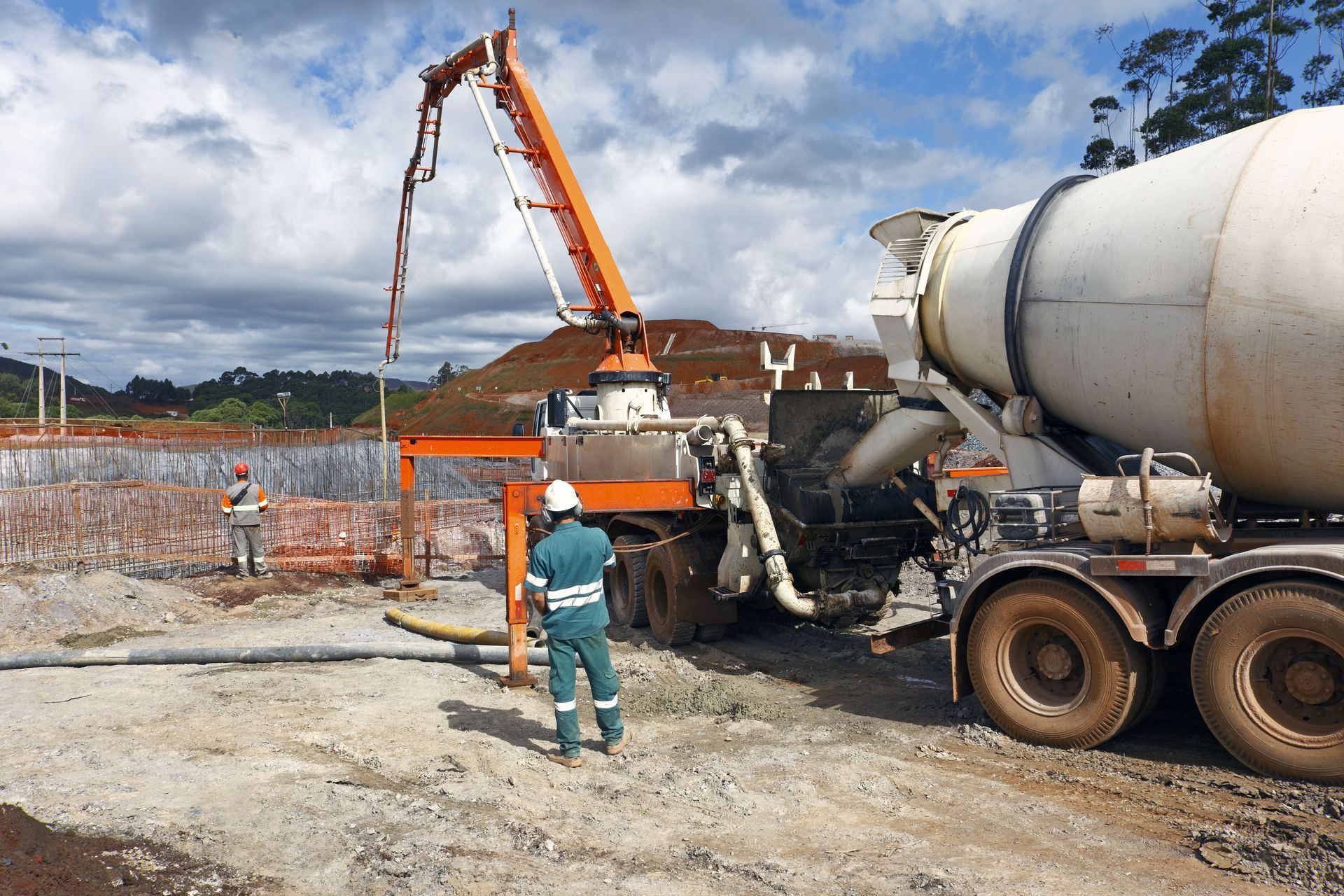
One of the most notable advantages of concrete pumping is its ability to deliver materials exactly where they are needed with minimal delay. Instead of transporting concrete manually across a job site, pumps use hoses or booms to place the material directly at the desired location. This eliminates unnecessary steps and reduces the time required to complete each phase of the project.
The speed of placement also contributes to better workflow coordination. Crews can work continuously without waiting for additional batches to be moved manually, which helps maintain momentum and reduces downtime. This is particularly beneficial on large job sites where distances between mixing and pouring areas can slow down traditional methods.
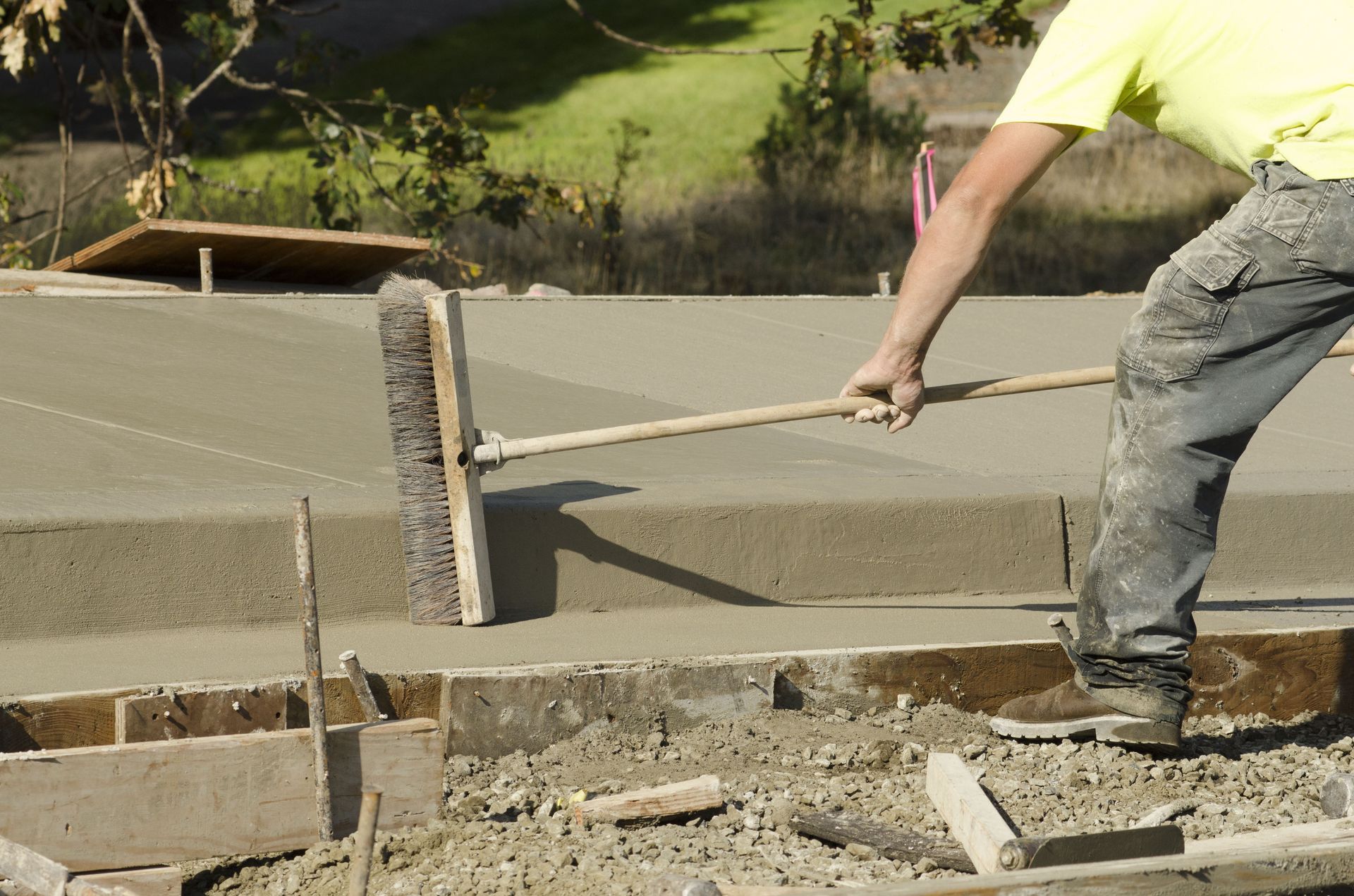
In addition to saving time, this method improves consistency in the pour. With a steady flow of concrete, teams can achieve smoother finishes and more uniform structures. This level of control is difficult to replicate with manual techniques, making pumping an attractive option for projects that require precision.
Faster material placement translates into quicker project completion. By reducing bottlenecks and keeping operations running smoothly, contractors can meet deadlines more reliably and take on additional projects with confidence.
An added advantage is the ability to coordinate with other trades more effectively. When concrete is placed quickly and accurately, follow-up tasks such as framing, finishing, or installation can begin sooner. This improved sequencing keeps the entire construction schedule aligned and minimizes delays between phases, further enhancing overall efficiency.
Reducing Labor Demands While Increasing Productivity
Labor is one of the highest costs in any construction project, and reducing unnecessary physical work can have a major impact on overall efficiency. Concrete pumping minimizes the need for manual transportation, which means fewer workers are required to move heavy materials across the site. This not only reduces labor costs but also allows existing team members to focus on more skilled tasks.
According to The Constructor, 70% of the project cost in construction is accounted for by hard costs. By optimizing labor allocation and minimizing wasted effort, contractors can better manage these expenses. Efficient use of manpower ensures that resources are directed where they are most needed, improving both productivity and profitability.
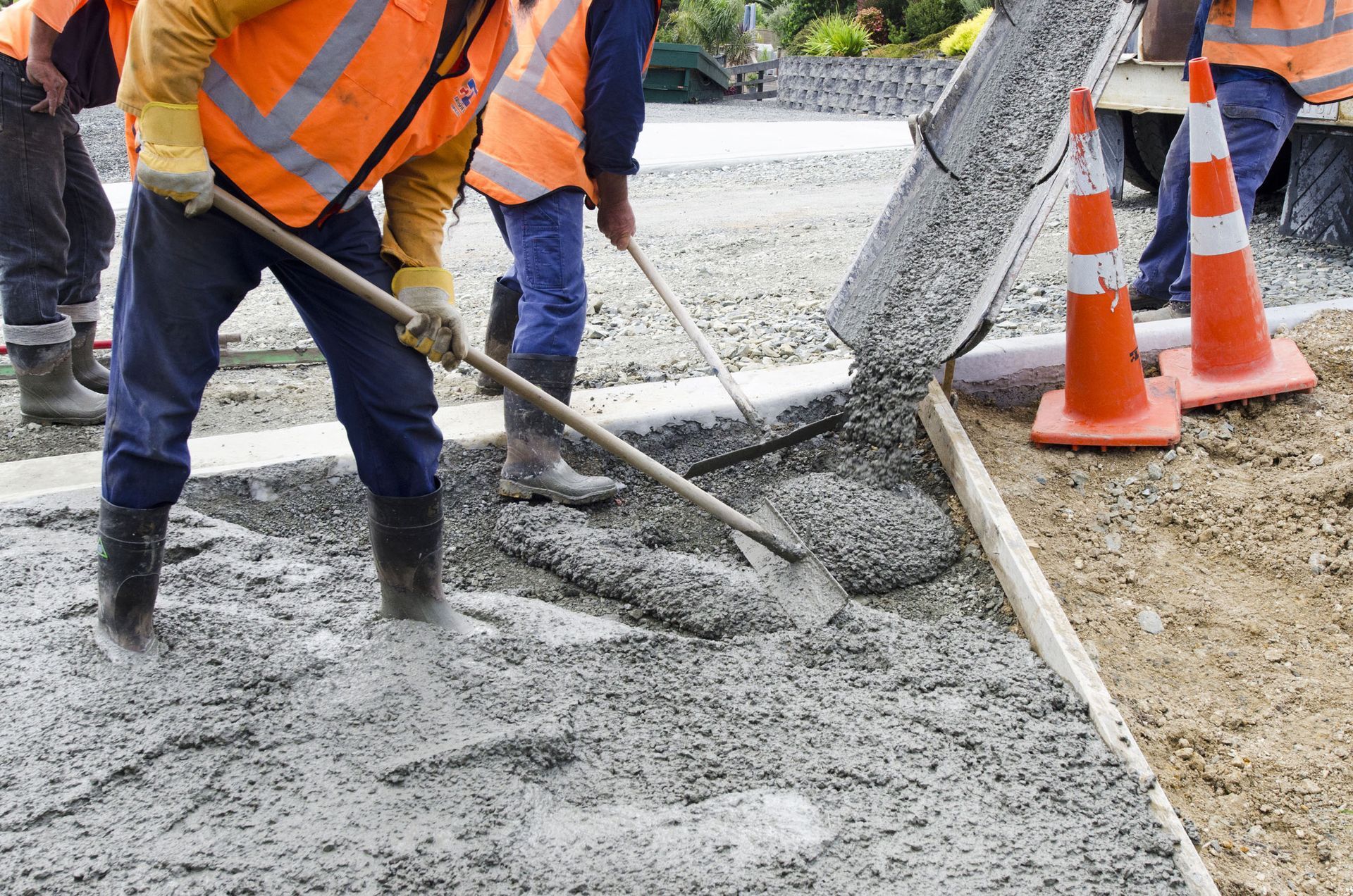
Another advantage is the reduction in physical strain on workers. Carrying and pouring concrete manually can lead to fatigue and increase the risk of injuries. By using concrete pumping services, companies create a safer working environment while maintaining high output levels. This can lead to fewer workplace incidents and lower insurance costs over time.
Increased productivity also comes from the ability to complete tasks more quickly. With less time spent on manual handling, crews can move on to the next stage of construction sooner. This improved workflow helps projects stay on schedule and reduces the likelihood of costly delays.
Beyond immediate labor savings, this approach also supports long-term workforce efficiency. Skilled workers can focus on tasks that require expertise, such as finishing and quality control, rather than repetitive manual labor. This not only improves job satisfaction but also contributes to higher-quality results, reinforcing the value of adopting modern construction methods.
Enhancing Accuracy and Minimizing Material Waste
Precision is critical in construction, and even small errors in concrete placement can lead to structural issues or costly rework. Concrete pumping offers a high level of accuracy, allowing operators to control exactly where and how the material is delivered. This precision is especially valuable in complex builds where access may be limited or designs require intricate detailing.
By placing concrete exactly where it is needed, contractors can significantly reduce material waste. Traditional methods often result in spillage or overpouring, which not only wastes resources but also increases cleanup time. Pumping systems help eliminate these inefficiencies, ensuring that every batch of concrete is used effectively.
Accurate placement also contributes to better structural integrity. When concrete is poured evenly and consistently, it reduces the likelihood of weak spots or air pockets. This results in stronger, more durable structures that require less maintenance over time.
In addition to improving quality, minimizing waste has environmental benefits. Using fewer materials and reducing excess runoff helps lower the environmental impact of construction projects. This makes concrete pumping an appealing option for companies looking to adopt more sustainable practices.
Another benefit lies in improved project budgeting. When material usage is more predictable and waste is minimized, contractors can better estimate costs and avoid unexpected overruns. This level of financial control is crucial for maintaining profitability and delivering projects within budget constraints.
Improving Accessibility on Challenging Job Sites
Construction projects are not always conducted on flat, open terrain. Many sites present unique challenges, such as tight spaces, uneven ground, or elevated areas that are difficult to reach. Concrete pumping provides a flexible solution that can adapt to these conditions, making it easier to complete projects in complex environments.
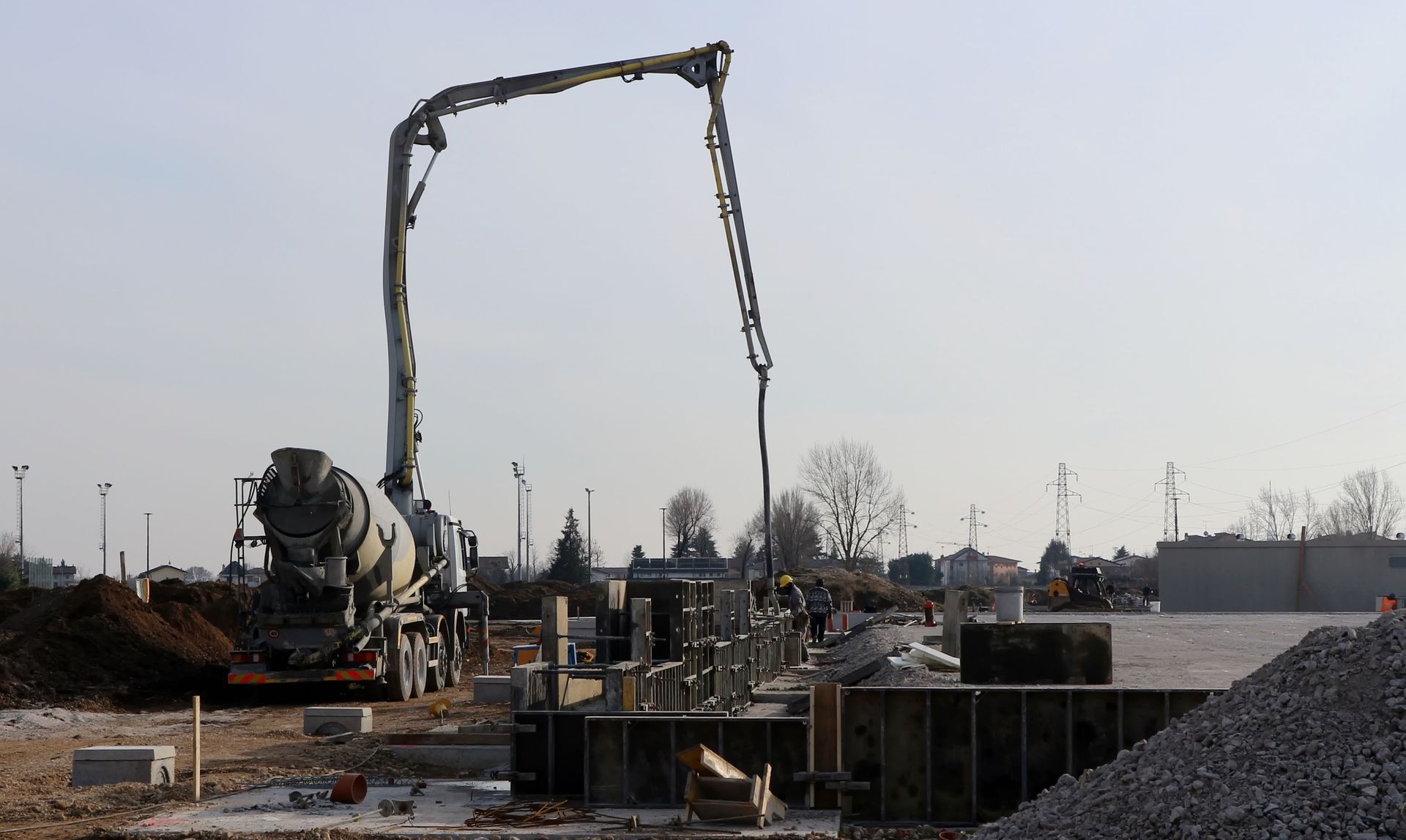
Boom pumps, for example, can extend over obstacles and deliver concrete to hard-to-reach locations. This eliminates the need for additional equipment or manual labor to transport materials across difficult terrain. Similarly, line pumps can navigate confined spaces, making them ideal for residential or urban projects.
This increased accessibility not only improves efficiency but also expands the range of projects contractors can take on. With concrete pumping services, teams can confidently tackle jobs that might otherwise be impractical or too time-consuming using traditional methods.
Another benefit is the ability to maintain consistent quality regardless of site conditions. Even in challenging environments, pumping systems ensure that concrete is delivered smoothly and accurately. This helps maintain high standards across all types of projects, from small residential builds to large commercial developments.
Additionally, improved accessibility can reduce the need for site modifications. Instead of altering terrain or constructing temporary pathways for material transport, contractors can rely on pumping systems to reach difficult areas directly. This saves time, reduces costs, and preserves the integrity of the job site, contributing to a more efficient and streamlined construction process.
Concrete pumping has become an indispensable tool in modern construction, offering a range of benefits that directly contribute to improved job efficiency. From faster material placement to reduced labor demands, this method streamlines operations and allows contractors to complete projects more effectively. The ability to enhance accuracy, minimize waste, and adapt to challenging job sites further underscores its value in today’s competitive industry.
As construction demands continue to grow, adopting innovative solutions is essential for staying ahead. By integrating concrete pumping services into their operations, companies can optimize workflows, control costs, and deliver high-quality results on schedule. In an industry where time and precision are critical, this approach provides a clear advantage that supports both immediate project success and long-term growth. Get your project moving faster and more efficiently with E-CON-PLACER’s reliable concrete pumping services. Contact us today to streamline your next pour and keep your construction timeline on track.
Share On: