
Why Concrete Pumping Is Essential for Large Projects
Concrete pumping serves as a fundamental pillar in contemporary construction, acting as a vital mechanism for large-scale developments by ensuring the seamless and productive transfer of material. This process utilizes specialized machinery to move liquid concrete from a truck directly to the specific zones of a construction site. Concrete pumping is particularly meaningful for massive projects where older methods frequently fall short regarding velocity and exactness. By supporting the swift and accurate placement of material, this technology is necessary for meeting the strict schedules and high-quality benchmarks of significant construction efforts. As we analyze this further, we will highlight the various elements that make concrete pumping a key component of modern building success.
The Foundational Principles of Modern Pump Operations
Concrete pumping is essentially a method where liquid cement is moved from its source through a network of tubes and systems directly to the site. This process not only makes the movement of material more efficient but also improves site safety by decreasing the need for manual handling. The core principle involves mechanical systems that apply pressure to the mix to create a steady flow, ensuring a smooth placement. Whether the project involves towering structures or wide bridges, concrete pumping ensures that the material is distributed evenly across complex areas. This approach is central for construction organizations that want to improve their project timelines and quality results.
Varieties of Equipment for Different Site Requirements
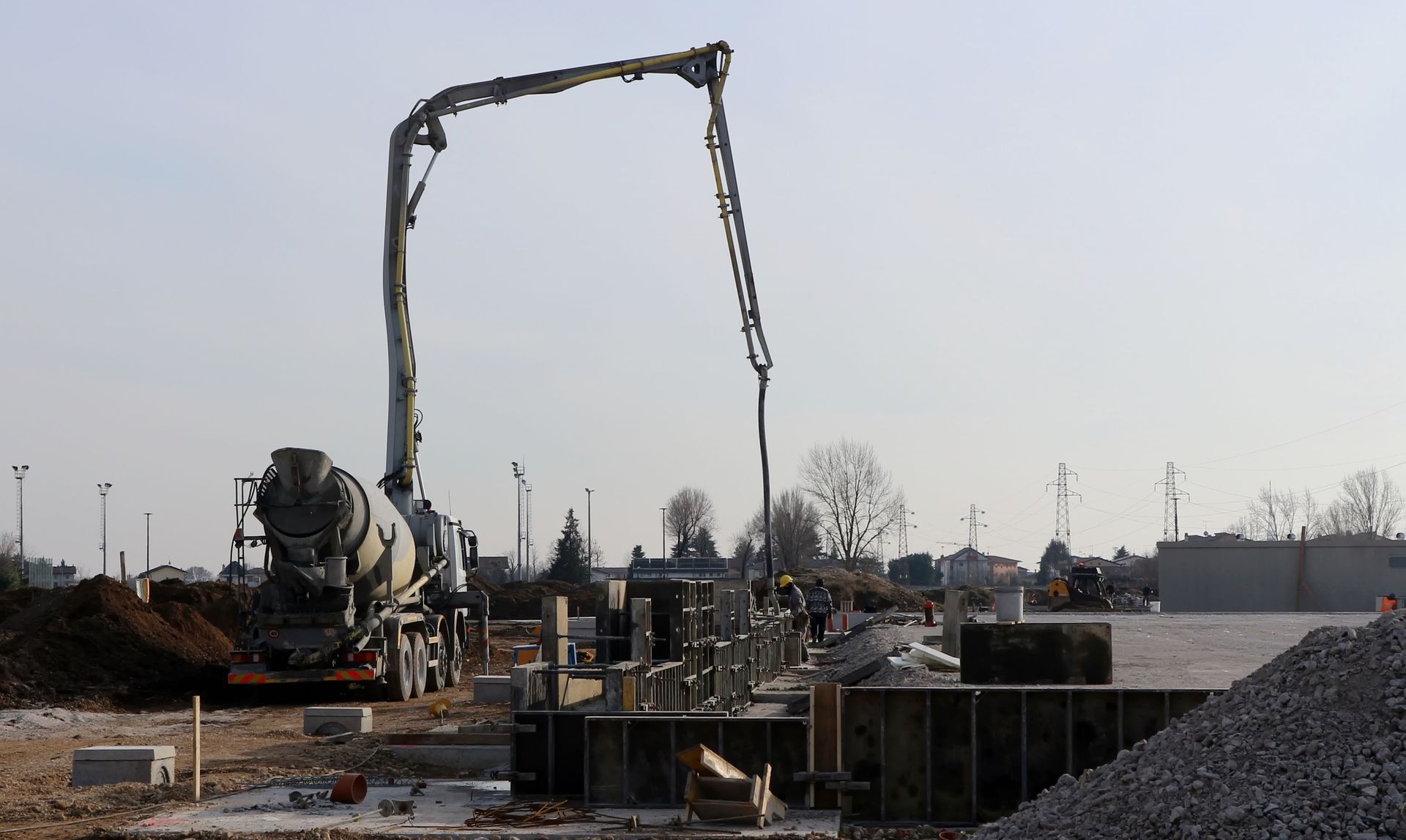
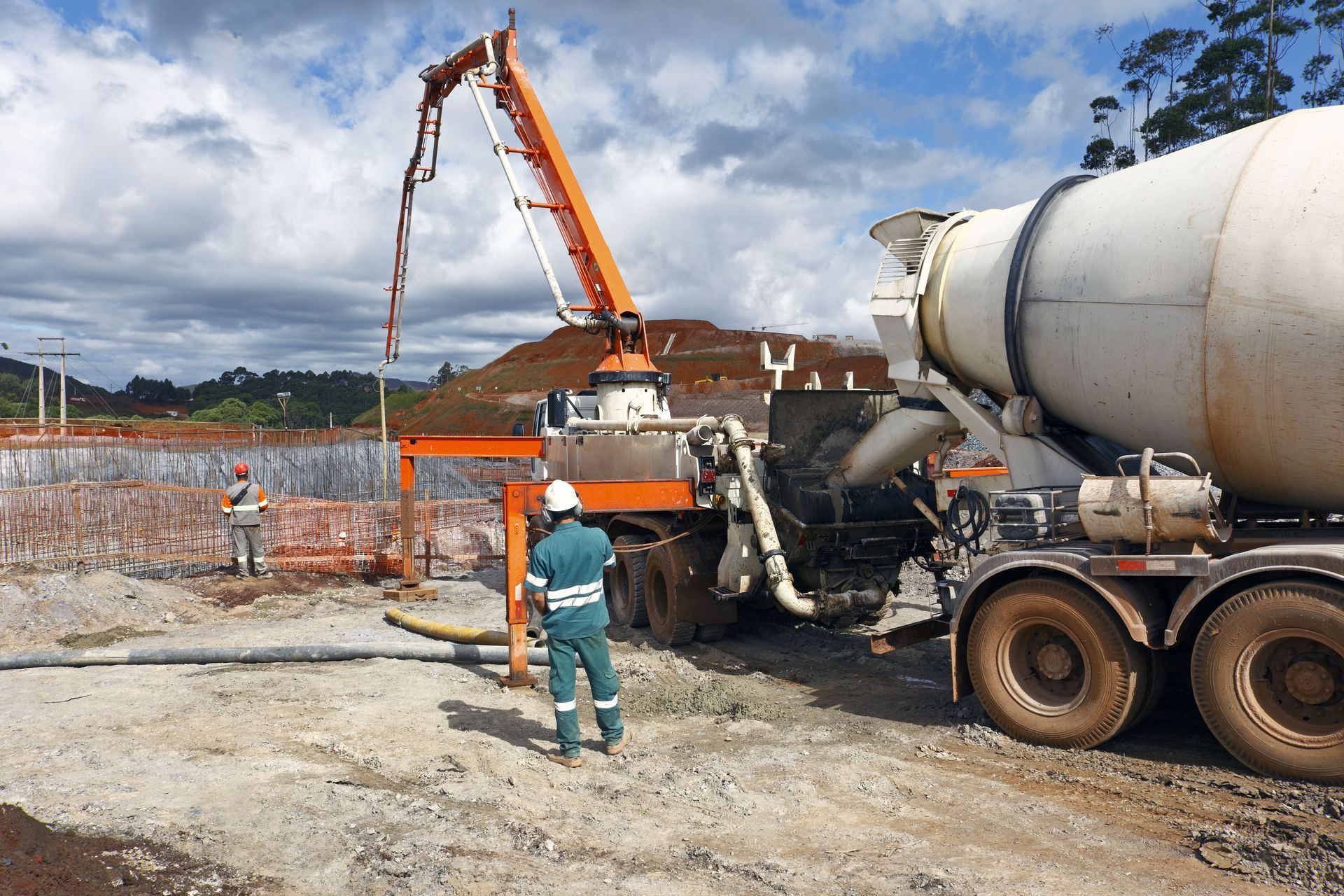
The machinery used for these tasks can generally be categorized into two primary versions known as boom pumps and line pumps. Boom pumps feature large mechanical arms attached to a vehicle, providing the reach and flexibility needed for difficult landscapes. These are perfect for extensive projects that involve high volumes of material. Alternatively, line pumps are flexible units that work well for locations with a lower demand for material volume. According to The Constructor, a line concrete pump is the perfect choice for construction tasks that only require a minor amount of concrete pumping. Selecting the right equipment depends heavily on the specific needs of the site and the unique nature of the work.
The Historical Development of Placement Technology
The history of concrete pumping began in the early 20th century as the industry started searching for more productive building methods. The first designs were quite simple, as manual labor was the primary way that material was placed on sites during that era. However, major progress after the mid-century led to the automation of many building tasks, which sparked the creation of modern pumps. Over time, as technology continued to improve, these systems became more complex and emerged as a primary tool in the building industry. This growth shows how the industry has changed to keep up with the increasing size and difficulty of modern urban infrastructure projects.
Primary Elements of a Functional Pumping System
A standard setup for concrete pumping includes several major parts that are required for a successful operation. The pump itself is the main source of power that moves the material and is usually fixed to a heavy-duty truck. Linked to this pump is a series of pipes or flexible hoses that carry the cement from the source to the target area. Furthermore, directional tools or boom arms are used to control where the material goes and ensure it is delivered with high precision. Combining these parts ensures that the concrete pumping is done effectively and with great accuracy, which leads to quality results for the project. Keeping these parts in good condition is vital for maintaining high levels of reliability.
Technical Requirements for Successful Material Delivery
There are many technical details involved in concrete pumping that are necessary for a project to be successful. Pressure is a main factor that requires careful monitoring to make sure the material moves through the system without getting stuck or separating. The height and the total distance the material must travel are directly related to the amount of pressure and the type of machinery needed for the job. Additionally, knowing the delivery rate, or the amount of material moved every hour, is important for coordinating with other parts of the building process. These technical factors help determine how precisely a project can be finished, which is why concrete pumping is so important for large builds.
Time Management Advantages for Large Scale Builds
One of the most significant perks of concrete pumping is the amount of time that can be saved on a job site. Older ways of moving material were very slow and required a lot of hard work, which often led to delays in the overall schedule. By using modern pumps, projects can move past these obstacles and ensure that materials move quickly to keep the construction moving forward. This faster speed keeps the project on track and can even give the crew more time to focus on the finishing details. This high level of efficiency is extremely important for large projects where saving time can lead to better management of resources and labor.
Reducing Physical Labor Requirements on the Job
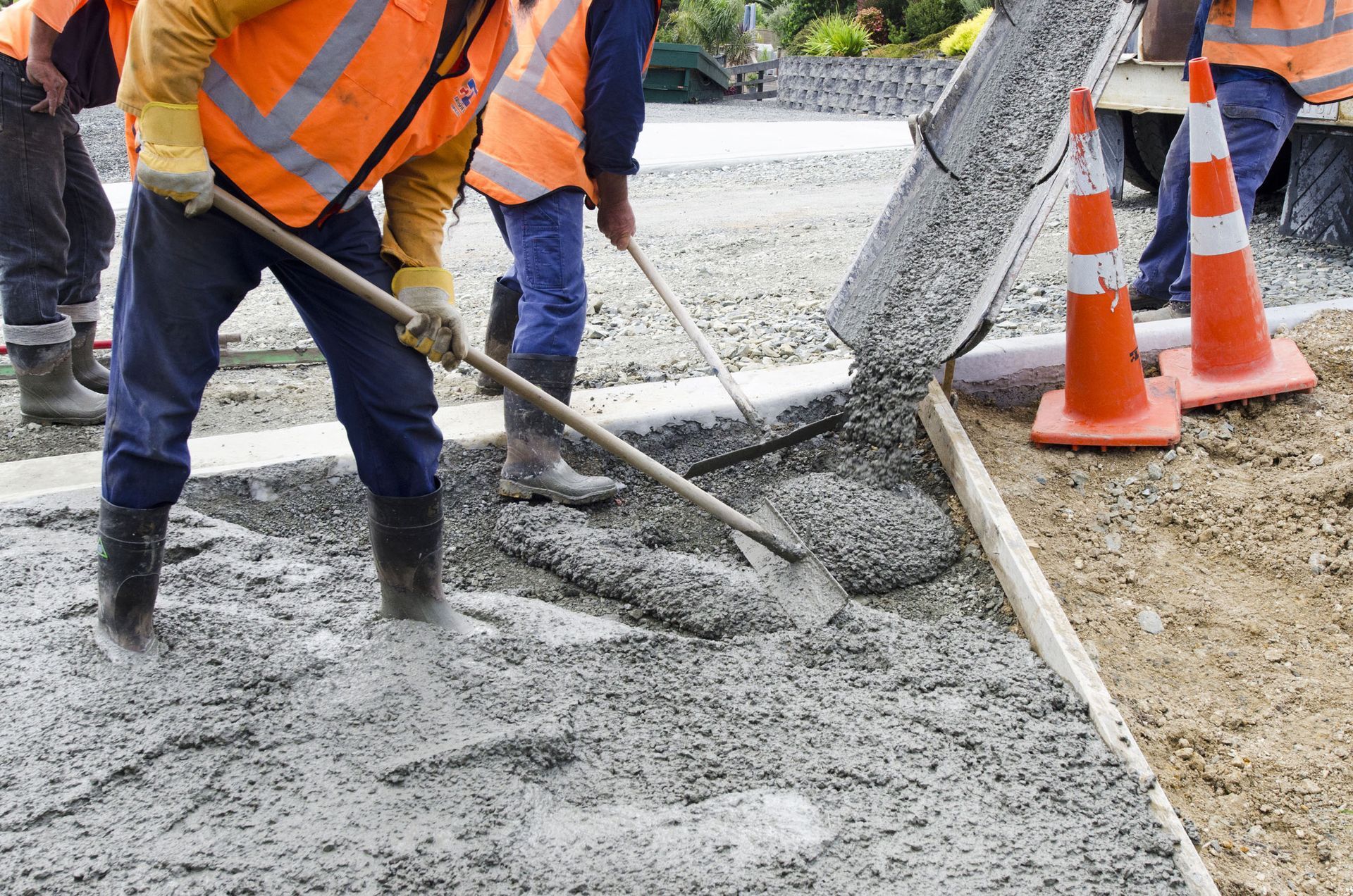
By using concrete pumping technology, the need for a massive amount of physical labor is greatly decreased. In the past, moving and pouring material required many people working together to make sure everything went according to plan. Modern pumps allow managers to use their teams more effectively, moving workers to different tasks where they are most helpful. Decreasing the number of people needed to move material manually not only saves on costs but also helps prevent injuries and physical exhaustion among the crew. As a result, these improvements in labor management lead to a more organized and much safer environment for everyone on the site.
Boosting Productivity Through Better Resource Management
Concrete pumping helps increase the overall productivity of a construction site by making better use of every available resource. The ability to place material quickly and with high accuracy means there is less waiting around between different stages of the build. The steady flow provided by the machinery reduces stops in the workflow, helping both the crew and the equipment stay busy. Projects that might have been delayed by manual mistakes or slow processes can keep their momentum and hit their deadlines on time. Therefore, the boost in productivity provided by concrete pumping is a key factor in reaching the goals of any large construction project.
Achieving High Levels of Accuracy and Precision
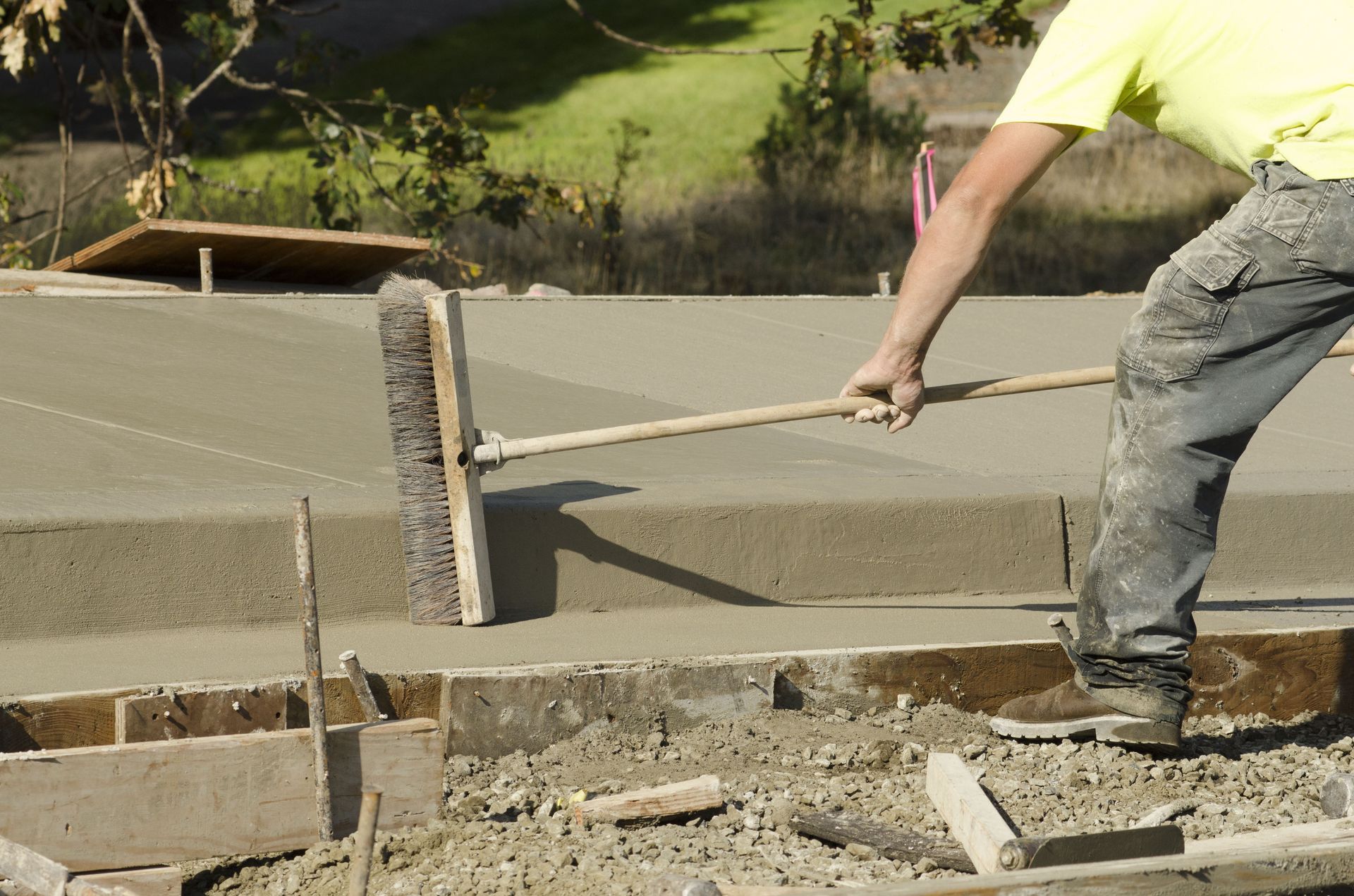
Accuracy and precision are the defining features of concrete pumping, allowing for the careful placement of material exactly where the plan requires it. The mechanical power of the pumps makes sure that the flow can be pointed specifically, which stops overflows and prevents uneven layers. This level of precision is especially important for projects that have very complex designs or large structural parts that must be perfect. Using technology for placement means there is less chance for human error, which results in a stronger and better-built structure. In the end, pumps provide the consistency and reliability needed for difficult tasks, proving their value in the industry.
Financial Benefits of Modern Placement Methods
The financial advantages of concrete pumping are a major reason why it is chosen for so many large projects. While it might cost money to rent or buy the equipment at first, the savings in labor and time are usually very high. By making the project go faster and requiring fewer workers, these pumps help lower the total amount of money spent on a build. Also, because the placement is so accurate, there is very little material wasted, which helps keep the budget for raw materials under control. When you look at all these things together, it is clear that concrete pumping is a smart financial move for any major construction company.
The use of concrete pumping has clearly become a standard practice for the biggest and most important construction projects today. By making work more efficient and creating a safer environment, these systems solve many of the problems that come with older ways of handling material. The accuracy provided by this technology is essential for modern designs and helps ensure that the building process goes smoothly from start to finish. This method allows architects and builders to reach new heights while maintaining high standards of quality and safety. For all your specialized material placement needs, you should partner with E-CON-PLACER.
Share On: