Selecting the Right Type of Concrete Pump for a Project
Choosing the appropriate concrete pump is one of the most critical decisions in any construction project. A concrete pump not only ensures efficiency on-site but also impacts safety, cost, and the overall quality of the finished structure. Selecting the right pump involves understanding the type of project, the volume of concrete required, and the conditions under which the concrete will be delivered. Working with a local concrete pumping business can simplify this process, as these companies provide the expertise and equipment necessary to match the pump to the job’s unique requirements.
Concrete pumping technology has advanced significantly over the past few decades. Modern pumps can move concrete over long distances and heights that were previously impossible or impractical. Choosing the right pump is essential because using the wrong type of equipment can result in delays, increased costs, and even compromised safety.
Understand Project Requirements
Before selecting a concrete pump, it is vital to thoroughly assess your project requirements. Consider the total volume of concrete needed, the distance it must travel, the height of the pour, and any obstacles on the construction site. For example, high-rise buildings require pumps capable of delivering concrete to significant heights, while a residential slab may only need a smaller, stationary pump. Consulting with a local concrete pumping business at this stage can provide valuable insight into which pump type is best suited for the project. These companies have experience across a wide range of construction scenarios, from commercial projects to residential developments. Their guidance can prevent costly mistakes by ensuring that the chosen equipment aligns perfectly with your project’s demands.
Know the Types of Concrete Pumps
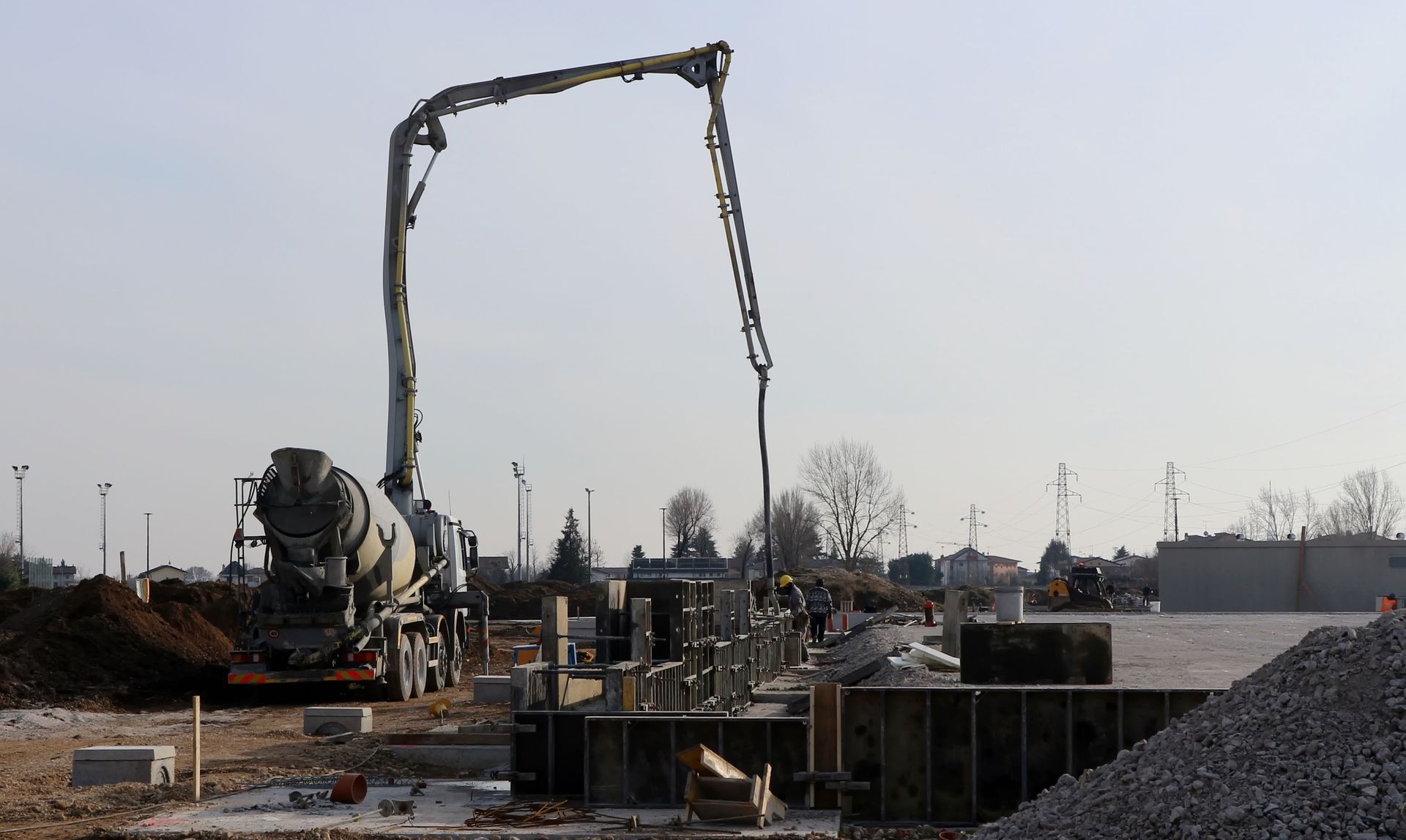
Concrete pumps are generally categorized into two main types: boom pumps and line pumps. Boom pumps are mounted on trucks and use a hydraulic arm, or “boom,” to deliver concrete precisely where it is needed. They are ideal for large-scale projects or locations where accessibility is challenging. Line pumps, on the other hand, push concrete through flexible hoses, making them suitable for smaller pours or projects with more confined access points. Choosing between a boom pump and a line pump depends on several factors, including the height and reach required, the volume of concrete, and the terrain of the construction site. A local concrete pumping business can provide recommendations based on years of hands-on experience and knowledge of the best pump for specific project conditions. Using the correct pump type reduces the risk of delays, mechanical issues, or uneven pours.
Evaluate Pump Capacity and Reach
Once the type of pump is determined, it is important to assess its capacity and reach. Pump capacity refers to the volume of concrete the pump can move in a given time, while reach relates to the maximum distance or height the pump can deliver concrete. These factors are crucial to avoid bottlenecks in the construction process. Selecting a pump with insufficient capacity can slow down the project and increase labor costs, while choosing a pump with excessive capacity may be unnecessarily expensive. Local concrete pumping businesses are well-equipped to analyze your project’s volume and layout, ensuring that the selected pump has the appropriate capacity and reach. Their expertise helps match equipment to the job efficiently, balancing performance with cost-effectiveness.
Consider Concrete Mix and Workability
The type of concrete mix also plays a significant role in selecting the right pump. Different mixes have varying consistencies, aggregate sizes, and flow characteristics, all of which affect pumpability. A mix with large aggregate may require a pump with wider delivery lines, while a more fluid mix can be moved easily through narrower hoses. Consulting a local concrete pumping business can prevent problems related to concrete workability. These companies often work closely with ready-mix suppliers to ensure the concrete is formulated for efficient pumping. Proper coordination between the pump operator and the supplier reduces the risk of blockages, mechanical strain, or poor-quality pours. Understanding how mix design interacts with pump type is essential for a smooth, uninterrupted construction process.
Evaluate Site Accessibility and Safety
Site conditions are another important consideration. Construction sites often present challenges such as uneven terrain, tight access points, or obstacles that can affect pump operation. Ensuring the chosen pump can navigate the site safely and efficiently is critical. Boom pumps require stable surfaces and sufficient space for setup, while line pumps may be more flexible in constrained areas. Safety should always be a priority when selecting a concrete pump. A local concrete pumping business can assess the site for potential hazards and recommend the most appropriate equipment and setup. Their operators are trained to handle equipment safely, minimizing the risk of accidents or injuries during pumping operations. By addressing both accessibility and safety concerns, these businesses help ensure a smooth, secure workflow.
Account for Project Costs
Understanding the financial implications of pump selection is crucial for effective budgeting. According to The Constructor, roughly 70% of construction project costs are associated with hard costs such as labor, materials, and equipment. Selecting the wrong pump or underestimating equipment requirements can lead to higher expenses and project delays.
By working with a local concrete pumping business, you can receive accurate cost estimates based on the pump type, project volume, and duration of use. These businesses can also advise on potential cost-saving measures, such as optimizing pump placement or coordinating concrete delivery schedules. Proper planning at this stage ensures that the concrete pumping phase remains within budget while meeting project specifications.
Plan for Pump Maintenance and Support
Concrete pumps are complex machines that require regular maintenance to operate efficiently. A malfunction during a pour can result in delays, increased labor costs, and compromised concrete quality. Choosing a pump from a local concrete pumping business ensures that skilled technicians are available for maintenance, troubleshooting, and on-site support. Regular inspection, lubrication, and cleaning are essential for preventing pump failure. Reputable pumping companies provide these services and often include operator support during critical pours. This proactive approach reduces downtime and keeps the project on schedule, providing peace of mind for project managers and contractors alike.
Coordinate Delivery and Pour Scheduling
Timing is critical when coordinating concrete pumping with delivery schedules. Concrete must be placed efficiently to prevent setting before it reaches its intended location. This requires careful coordination between the pump operator, ready-mix supplier, and project team. A concrete business has the experience and logistical knowledge to manage delivery and pouring schedules. They can assess traffic, site access, and pump setup requirements to ensure that concrete arrives at the right time and flows smoothly. Proper scheduling minimizes waste, reduces the risk of delays, and ensures consistent quality throughout the pour.
Consider Environmental and Site Conditions
Environmental conditions such as temperature, wind, and precipitation can affect concrete pumping operations. Cold weather may slow curing times, while high temperatures can increase the risk of rapid setting. Rain or high winds may interfere with pump operation or site safety. Experienced professionals factor these conditions into their pump selection and operational planning. They can recommend appropriate pump types, hose configurations, or even additive adjustments to optimize performance under varying weather conditions. Accounting for environmental factors helps maintain quality and reduces the likelihood of costly errors.
Ensure Compliance with Regulations
Concrete pumping is subject to local, state, and federal regulations, including safety standards and equipment requirements. Selecting a pump that meets all legal and regulatory guidelines is essential to avoid fines or project interruptions. Local concrete pumping businesses are familiar with these regulations and can ensure that their equipment and operations comply with industry standards. By working with a professional company, contractors can be confident that the pump meets all safety and operational requirements, protecting both workers and the project itself.
Working with a trusted partner ensures that the project runs smoothly from start to finish. Experienced companies guide pump selection, setup, maintenance, and troubleshooting, allowing project managers to focus on broader construction tasks. Reliability and professionalism make a measurable difference in both project efficiency and overall outcomes.
Selecting the right concrete pump is essential for project efficiency, safety, and cost control. For expert advice and professional service, contact E-CON-PLACER for your local concrete pumping business needs. Their team can help you choose the ideal pump for your project, ensuring timely delivery, precise placement, and long-lasting results. Reach out to E-CON-PLACER today and make your concrete pumping process seamless and efficient.
Share On: